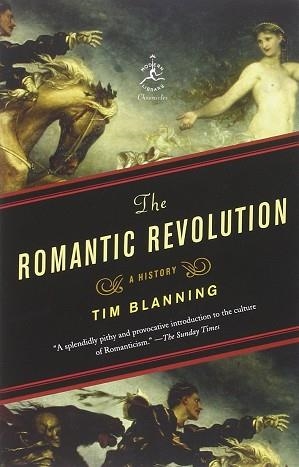
From the preeminent historian of Europe in the eighteenth and nineteenth centuri
es comes a superb, concise account of a cultural upheaval that still shapes sens
ibilities today. A rebellion against the rationality of the Enlightenment, Roman
ticism was a profound shift in expression that altered the arts and ushered in m
odernity, even as it championed a return to the intuitive and the primitive. Tim
Blanning describes its beginnings in Rousseau's novel "La Nouvelle HEloIse, " w
hich placed the artistic creator at the center of aesthetic activity, and reveal
s how Goethe, Goya, Berlioz, and others began experimenting with themes of artis
tic madness, the role of sex as a psychological force, and the use of dreamlike
imagery. Whether unearthing the origins of "sex appeal" or the celebration of ac
cessible storytelling, "The Romantic Revolution" is a bold and brilliant introdu
ction to an essential time whose influence would far outlast its age.