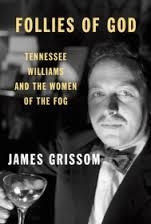
An extraordinary book; one that almost magically makes clear how Tennessee Willi
ams wrote; how he came to his visions of Amanda Wingfield, his Blanche DuBois, S
tella Kowalski, Alma Winemiller, Lady Torrance, and the other characters of his
plays that transformed the American theater of the mid-twentieth century; a book
that does, from the inside, the almost impossible--revealing the heart and soul
of artistic inspiration and the unwitting collaboration between playwright and
actress, playwright and director.
At a moment in the life of Tennessee William
s when he felt he had been relegated to a "lower artery of the theatrical heart,
" when critics were proclaiming that his work had been overrated, he summoned to
New Orleans a hopeful twenty-year-old writer, James Grissom, who had written an
unsolicited letter to the great playwright asking for advice. After a long, int
ense conversation, Williams sent Grissom on a journey on the playwright's behalf
to find out if he, Tennessee Williams, or his work, had mattered to those who h
ad so deeply mattered to him, those who had led him to what he called the blank
page, "the pale judgment."