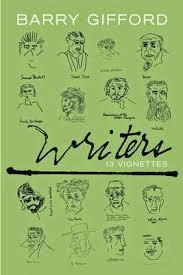
In Writers: 13 Vignettes, great American storyteller Barry Gifford paints portra
its of famous writers caught in imaginary vulnerable moments in their lives. In
prose that is funny, grotesque, and a touch brutal, Gifford shows these writers
at their most human, which is to say at their worst: they are liars, frauds, lou
sy lovers, and drunks. This is a world in which Emily Dickinson remains an unpub
lished poet, Ernest Hemingway drunkenly sets explosive trip wires outside his ho
me in Havana, Marcel Proust implores the angel of death as a delirious Arthur Ri
mbaud lies dying in a hospital bed, and Albert Camus converses with a young pros
titute while staring at himself in the mirror of a New York City hotel room. In
Gifford's house of mirrors, we are offered a unique perspective on this group of
literary greats. We see their obsessions loom large, and none more than a share
d needling preoccupation with mortality. And yet these stories, which are meant
to be performed as plays, are also tender and thoughtful exercises in empathy.